


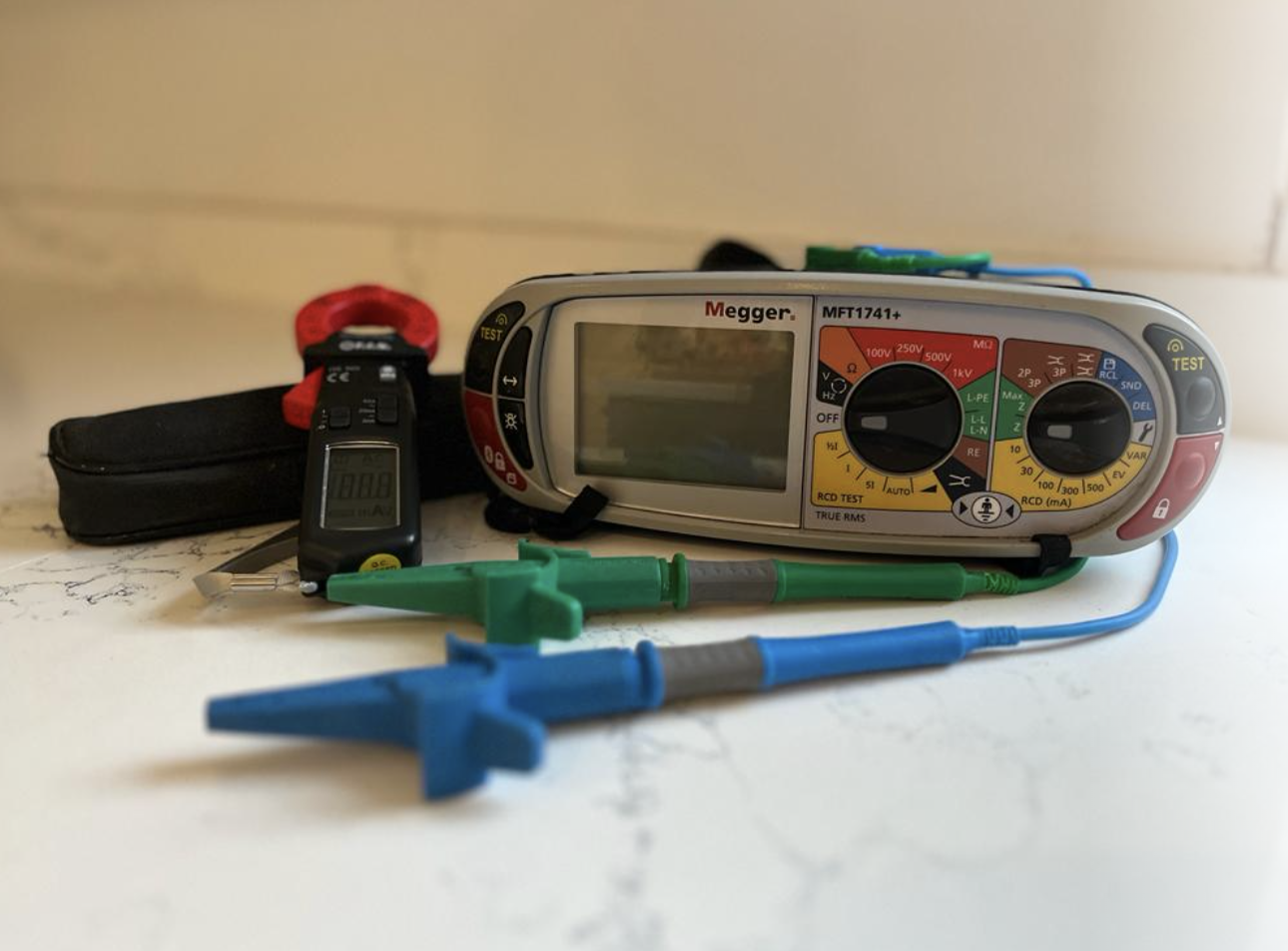
An Electrical Installation Condition Report (EICR) is one of the most important checks you can have carried out in your home or rental property. Whether you’re a homeowner wanting peace of mind or a landlord keeping up with legal requirements, this guide answers the questions people ask most often about EICRs, what they involve, and why they matter.
An EICR is a thorough inspection and test of your property’s electrical installation. It checks whether your wiring, sockets, consumer unit and overall setup are safe to use and highlights anything that needs repair or improvement. The report replaced what was previously called a “Periodic Inspection Report,” but the purpose remains the same: ensuring your electrics are safe.
Yes, for the private rental sector, EICRs are now a legal requirement. Landlords must ensure the property is tested at regular intervals and that any issues identified in the report are resolved within the required timeframe.
For homeowners, an EICR isn’t a legal obligation, but it is strongly recommended to maintain safety and reduce future risk.
The recommended intervals are:
If you've recently bought a home or noticed signs of electrical issues, arranging an EICR sooner can offer extra reassurance.
Where possible, yes. A proper EICR includes testing on all accessible sockets, switches and circuits.
If a socket is hidden behind fixed furniture or appliances and can’t be reached safely, it will be recorded as a “departure” on the report, a simple note to say it wasn’t accessible at the time of inspection.
For homes with up to three bedrooms, an EICR costs £180 + VAT.
Larger properties, commercial spaces and installations that require extra testing time will receive a bespoke quote. Providing a few details about the property helps ensure accurate pricing.
Weekend and short-notice inspections can sometimes be arranged, but they aren’t guaranteed. Availability varies depending on workload, so the best option is to call and check if an urgent appointment is possible.
If the report finds issues that make the installation unsafe, you’ll be told exactly what needs to be fixed and why.
You’ll then have 28 days to complete the remedial work. Many people choose to have the same electrician carry out the repairs, but you are free to use any qualified professional. Once the work is complete, you’ll receive confirmation that the installation now meets safety standards.
An EICR can reveal a range of issues, including:
Catching these problems early prevents more serious electrical faults from developing later on.
For most average-sized homes, an EICR takes between 3–4 hours. Larger properties or complex installations may take longer. Your electrician will let you know in advance if they need access to certain rooms, sockets or the consumer unit during the visit.
By identifying faults before they worsen, an EICR helps reduce the risk of:
It’s one of the most reliable ways to ensure your home or rental property meets current safety standards.
An EICR is a simple but essential check that gives you a clear picture of your property’s electrical health. Whether you’re ensuring compliance as a landlord or wanting peace of mind as a homeowner, routine inspections help prevent faults, reduce fire risks and protect everyone living in the property.
If it’s been a while since your last inspection, or you’re unsure when one was last carried out, arranging an EICR is a smart step toward keeping your property safe.
HomeSafe Electrical carries out EICRs across Bristol and the surrounding areas, providing clear reports, honest advice and straightforward pricing.
If you’d like to book an inspection, get in touch.
We’re always here to help keep your home or rental property safe.

.svg)

We are delivering quality services to homes across Bristol. Get in touch today to start your project!
Speak to the team!